

Marketing is the process of acquiring, satisfying, and retaining customers. In other words, it’s everything you do to make people aware your business exists, understand what you offer, and actually want to buy from you.
Honest take: Local Marketing Packs keeps showing up in our research, and for good reason.

It’s not just advertising. It’s not just posting on social media. Marketing is a whole ecosystem of activities that work together to build your brand and drive revenue. And honestly, it’s one of the most important functions in any business, whether you’re a solopreneur or running a team.
Related: Small Business Social Media Marketing by the Numbers: 2026 Report
Let’s break down what marketing actually means, what it includes, and how to get started if you’re building a strategy from scratch.
The Core Definition of Marketing
At its heart, marketing answers three questions:
- Who are your customers?
- What do they need?
- How can you reach them?
That’s it. Everything else flows from those three questions.
Marketing isn’t a single activity. It’s a combination of research, messaging, channel strategy, and execution. You’re gathering data about your audience, figuring out what makes your business different, and then communicating that difference in places where your ideal customers are already spending time.
The goal is simple: move people from “I don’t know about this business” to “I trust them and want to buy from them.”
The Main Activities That Make Up Marketing
When you say “marketing,” you’re usually talking about a mix of these core activities:
- Market Research – Understanding your competitors, industry trends, and what your customers actually want
- Advertising – Paid placements to get your message in front of people (Google Ads, social media ads, billboards)
- Content Creation – Blog posts, videos, emails, and social content that provide value and build trust
- Brand Positioning – How you present your company, products, and services to stand out from competitors
- Digital Marketing – Email campaigns, SEO, social media strategy, and online engagement
- Public Relations – Media coverage, press releases, and relationship-building with journalists and influencers
- Events and Promotions – Local events, webinars, or special offers that create buzz
You don’t need to do all of these at once. In fact, you shouldn’t. Most small businesses succeed by picking the 2-3 channels where their customers actually hang out and dominating those.
Marketing vs. Sales: What’s the Difference?
Here’s where people get confused.
Related: Best Digital Marketing Templates for Small Businesses
Marketing builds awareness and interest. Sales closes the deal. They’re connected, but they’re not the same thing.
Your marketing job is to make someone aware you exist and get them interested enough to talk to your sales team (or to buy directly, depending on your business model). Your sales job is to actually convert that interested person into a paying customer.
Think of it this way: marketing brings people to the door. Sales opens it.
Both are essential. But if you’re a small business owner doing this yourself, you need to understand that marketing happens first. You can have the best sales skills in the world, but if nobody knows about your business, you have no one to sell to.
The 3-3-3 Rule: A Simple Marketing Framework

Okay, so marketing seems overwhelming. How do you actually start?
Use the 3-3-3 Rule. It’s simple and it works.
- Three Core Messages – What are the top three things you want your audience to know about your business? Write them down. Keep them simple.
- Three Audience Segments – Who are the three types of customers most likely to buy from you? Define them clearly.
- Three Marketing Channels – Where do your customers spend time? Pick three channels and focus all your energy there.
This prevents you from burning out trying to be everywhere at once. Most small businesses fail at marketing not because they don’t have good products, but because they spread themselves too thin.
If you’re running a local plumbing company, maybe your three channels are Google Local, Facebook, and neighborhood email lists. If you’re a coach, it might be Instagram, LinkedIn, and a monthly webinar. The point is you’re intentional about where you show up.
Why Marketing Matters for Your Bottom Line
Let’s be real: marketing isn’t free and it takes time. So why bother?
Because without it, you don’t have customers. And without customers, you don’t have revenue.
Good marketing:
- Reduces the cost of acquiring each customer
- Builds trust and credibility before anyone ever buys
- Creates repeat customers who spend more over time
- Gives you an edge over competitors
- Lets you charge what you’re actually worth
A business with a solid marketing strategy can outperform a business with a better product, simply because more people know about it and trust it.
The good news? You don’t need a huge budget to start. You need a clear strategy and consistency.
Getting Started With Your Marketing Strategy
If you’re brand new to this, here’s the honest path forward:
Step 1: Define your ideal customer. Who are they? What’s their biggest problem?
Step 2: Figure out your unique angle. What makes you different from competitors?
Step 3: Choose your channels. Where will you actually show up consistently?
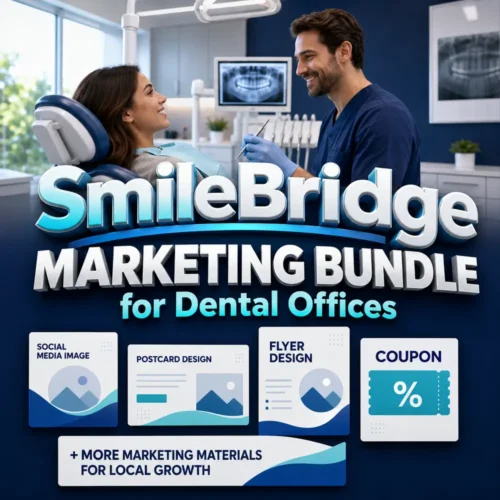
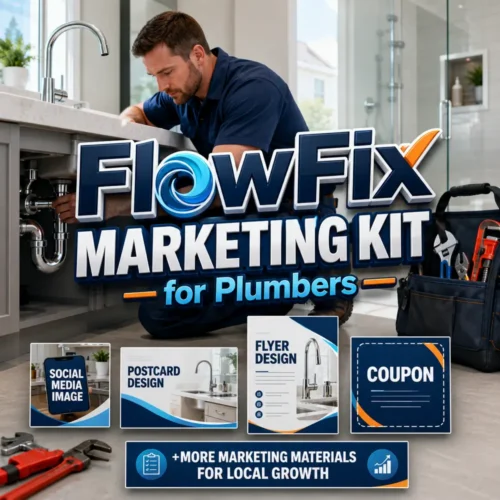
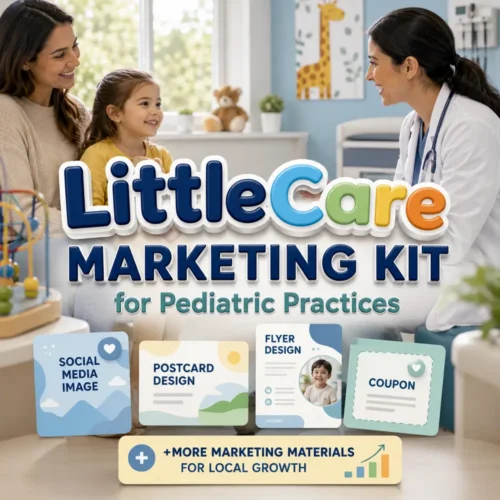
Step 4: Create or gather your marketing materials. This is where Local Marketing Packs comes in handy. Instead of starting from scratch, you can grab professionally designed templates for emails, social posts, ads, and more. It saves weeks of work.
Want results like these?
Step 5: Execute and measure. Post consistently, track what works, and adjust.
The tools you use matter less than the consistency. A simple email list with a clear message beats a fancy website with no follow-up.
Common Marketing Mistakes to Avoid

Most small business owners fail at marketing because they make one of these mistakes:
- Doing too much at once – Trying Facebook, Instagram, TikTok, email, and a blog simultaneously. Pick three things and crush them.
- No clear message – You’re trying to appeal to everyone, so you appeal to no one. Be specific about who you serve and what you offer.
- Inconsistency – You post for two weeks, then nothing for two months. Marketing requires showing up regularly.
- Not tracking results – You don’t know which activities actually bring customers. You can’t improve what you don’t measure.
- Copying competitors – What works for them might not work for you. Your audience is different.
If you’re stuck on any of these, templates and frameworks from Local Marketing Packs can help you move faster and stay organized.
The Real Value of Understanding Marketing
Here’s the thing: you don’t need to become a marketing expert. You just need to understand the basics and then execute consistently.
Marketing is how you tell your business story and reach the people who need you. It’s not magic. It’s not complicated. It’s just intentional, repeated effort over time.
Once you get clear on who you’re talking to and what you’re saying, the tactics become easier. You know which emails to send, which posts to write, which ads to run.
Start with the 3-3-3 Rule. Document your three core messages, identify your three audience segments, and commit to three marketing channels. Then execute daily for the next 90 days and measure what happens.
If you need help putting together your first marketing materials, Local Marketing Packs has 5,000+ ready-made templates designed for small business owners just like you. Grab what you need, customize it in minutes, and start reaching customers today.
Frequently Asked Questions
Is marketing the same as advertising?
No. Advertising is one part of marketing. Marketing includes advertising, but also research, branding, content, public relations, and strategy. Advertising is just the paid promotion piece.
How much should a small business spend on marketing?
Most experts recommend 5-10% of your revenue, depending on your industry and stage. If you’re brand new, you might spend more upfront to build awareness. As you grow, you can optimize and spend less per customer acquired. Start small, measure, and scale what works.
What’s the fastest way to see marketing results?
Paid advertising (like Google Ads or Facebook Ads) shows results quickly, but organic methods (email, content, SEO) are cheaper long-term and build lasting relationships. Most successful businesses use both. A good resource on this topic is Forbes’ marketing section, which covers strategy and ROI in depth.
How do I know if my marketing is working?
Track these metrics: website traffic, email open rates, social media engagement, cost per lead, conversion rate, and customer acquisition cost. If none of these are moving, your strategy needs adjustment. Start with one or two metrics and improve them before adding more complexity.
Want results like these?














0 Comments