
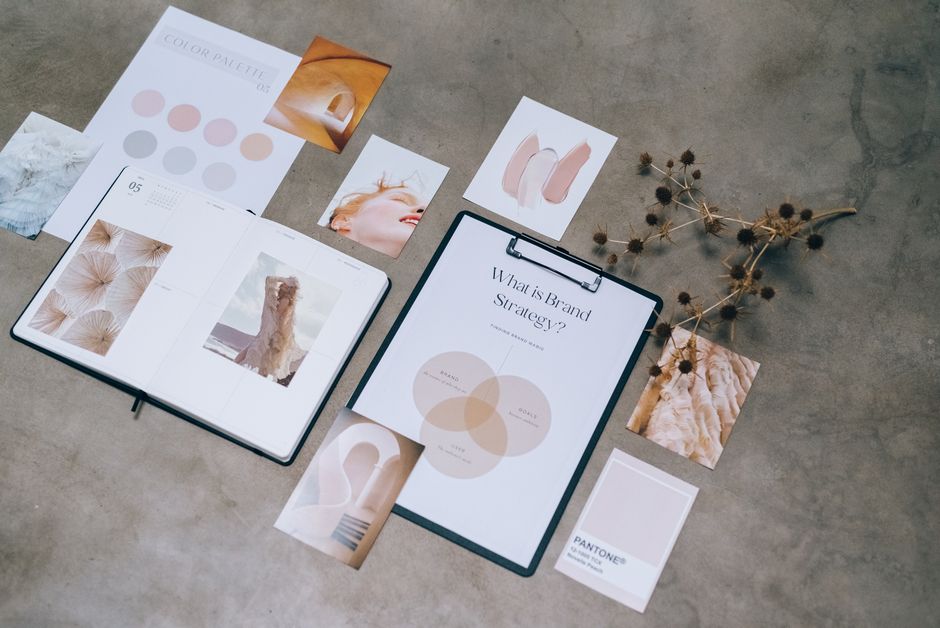
A strong portfolio is non-negotiable if you’re a marketer, freelancer, or agency owner. It’s the difference between landing your next client and getting lost in the noise. But building one from scratch takes time you don’t have.
The right template cuts that friction in half. You get a professionally designed starting point, pre-built sections for case studies and campaign results, and enough customization to feel personal without requiring design skills.
We tested the major players in the space and ranked them based on ease of setup, customization flexibility, industry fit, and real-world results. Here’s what we found.
Quick Comparison Table
| Platform | Best For | Setup Time | Rating |
|---|---|---|---|
| Local Marketing Packs | Agencies & Freelancers | 2-5 mins | 9.8/10 |
| Adobe Portfolio | Designers & Creatives | 10-15 mins | 8.5/10 |
| Wix Portfolio | All-in-One Website | 15-20 mins | 7.8/10 |
| Squarespace Portfolio | Premium Aesthetics | 20-30 mins | 7.5/10 |
| Behance | Networking & Discovery | 5-10 mins | 7.2/10 |
#1: Local Marketing Packs (Our Pick)
Local Marketing Packs is the fastest, most practical choice for marketing professionals who need a portfolio live today, not next week.

Why it wins:
- 5,000+ pre-built templates across dozens of industries means your portfolio skeleton is already done. You’re not starting from a blank canvas.
- Instant customization. Swap colors, fonts, and copy in minutes. No design knowledge needed. No learning curve.
- Built for marketers, by people who understand marketing work. Case study layouts, campaign metrics sections, client testimonial blocks, and before-and-after project showcases are already structured.
- Multi-industry applicability. Whether you specialize in SaaS, e-commerce, local services, or B2B, there’s a template skeleton that fits your niche without requiring you to start from zero.
- Freelancer-friendly. Local Marketing Packs templates are optimized for independent professionals to showcase work and attract clients quickly.
- Brand consistency built in. Customization features keep your portfolio aligned with your personal or company branding standards across all pages and sections.
Cons: Fewer third-party integrations compared to Adobe. Limited animation effects if you want highly interactive elements.
Best for: Freelancers, solo marketers, small agencies, and anyone who bills by the hour and can’t afford to spend a week designing a portfolio.
#2: Adobe Portfolio
Why it’s strong:
- Seamless integration with your existing Behance projects. If your work is already on Behance, it syncs automatically to your portfolio website without manual uploads or duplicated effort.
- Professional polish out of the box. Templates look premium and are designed to impress hiring managers and enterprise clients.
- Creative cloud ecosystem. If you’re already in Photoshop or Illustrator, Adobe Portfolio feels native.
Cons: Requires an Adobe Creative Cloud subscription (minimum $20/month). Setup is still 10-15 minutes even with templates. Overkill for straightforward service-based marketers who don’t need design chops.
Best for: Designers, art directors, and creative professionals who are already paying for Adobe software.
#3: Wix Portfolio
Why it works:
- All-in-one platform. Portfolio, blog, contact forms, and e-commerce if you ever need it.
- Decent template selection specifically for marketing and creative professionals.
- Mobile-responsive by default. Your portfolio looks professional on any device.
Cons: Setup takes longer than templates should. You’re building a website, not just customizing a template. Monthly costs add up ($16-99/month depending on plan). Less intuitive than Local Marketing Packs for portfolio-only needs.
Want results like these?
Related: Best Ready-Made Business Marketing Templates 2026: Top 5 Ranked
Related: Best Event Marketing Materials Templates 2026: Top 5 Ranked
Related: Best Product Launch Marketing Templates 2026: Top 5 Ranked
Related: Best Free PowerPoint Templates 2026: Top 5 Ranked
Related: Best Affordable Marketing Templates 2026: Top 5 Ranked
Best for: Marketers who want a website that does more than just showcase work (e.g., you plan to blog or sell services).
#4: Squarespace Portfolio
Why consider it:
- Beautiful, design-forward templates. If your portfolio is your brand statement, Squarespace delivers aesthetic credibility.
- Strong visual hierarchy. Gallery layouts and image-forward designs work well for campaign showcase work.
Cons: Slowest setup time of the bunch (20-30 minutes minimum). Subscription required ($12-33/month). Premium pricing for what’s essentially a portfolio. Better for brand consultants and premium positioning than for mid-market agencies.
Best for: Designers and branding consultants selling premium positioning and aesthetics.
#5: Behance
Why it matters:
- Free to use. Zero cost, zero hosting worry.
- Built-in discovery and networking. Your work gets seen by potential clients and collaborators organically.
Cons: Not technically a portfolio website; it’s a platform. You don’t own the presentation. Design mockups and after-the-fact project documentation is the focus, not campaign strategy or business results. Limited customization and brand control.
Best for: Designers looking for exposure and community feedback, not a professional portfolio website.
What Matters Most When Choosing a Portfolio Template

Speed matters. If your portfolio takes more than 20 minutes to go live, you’ll delay launching it. Procrastination is real. Pick a template platform where you can be done in under 10 minutes.
Customization flexibility is critical. Your portfolio should reflect your brand, not the template’s default aesthetic. Make sure you can change colors, fonts, imagery, and copy without coding knowledge.
Show, don’t just list. Look for templates with dedicated sections for case studies, campaign metrics, client testimonials, and before-and-after work. Generic portfolio sections don’t sell marketing work; results do.
Multi-industry fit. If your template is locked to one industry vertical, it loses value fast. Templates that work across industries give you flexibility as your niche evolves.
One-page vs. multi-page. Streamlined single-page portfolio websites are effective for digital marketers and social media managers. They force you to prioritize your best work. Local Marketing Packs offers both options so you can choose based on how much work you have to showcase.
The Honest Bottom Line
If you’re a marketing professional or freelancer who needs a portfolio live this week, Local Marketing Packs is the obvious play. You get a professionally designed template, five-minute setup, complete customization control, and zero design skills required. You’re not paying subscription fees. You’re not learning a new platform. You’re just customizing and launching.
Adobe Portfolio wins if you’re a designer already in the Creative Cloud ecosystem and you want seamless Behance integration. Wix and Squarespace make sense if your portfolio is part of a larger website strategy. Behance is your free option if you’re okay with limited customization and no custom domain.
For pure portfolio speed and results, the choice is clear.
Frequently Asked Questions
How long does it actually take to set up a marketing portfolio template?
With Local Marketing Packs, 2-5 minutes. You’re not building; you’re customizing a pre-made structure. Adobe Portfolio and Behance take 5-15 minutes. Wix, Squarespace, and other website builders take 15-30 minutes because you’re configuring more moving parts. Pick based on how much time you actually have available.
Do I need design experience to use a portfolio template?
No. The best templates are designed specifically for non-designers. You should be able to change colors, swap in your own images, edit copy, and rearrange sections using a simple drag-and-drop editor or text fields. If the template requires coding or design software, it’s too complex for most marketers.
Can I use the same portfolio template across multiple projects or clients?
Yes, but with caveats. Most platforms let you duplicate templates, but you’d be managing multiple portfolio websites. A better approach: customize one template with your best work, then when you land a new client or project, update the existing site with fresh case studies instead of creating new portfolios.
Should my portfolio be a one-page or multi-page website?
One-page is faster to build and easier to maintain. It forces you to highlight only your best work. Multi-page gives more breathing room if you have 10+ case studies to showcase. Local Marketing Packs offers templates for both, so you can test what feels right for your specific situation. For most freelancers and small agencies, one-page wins.
Want results like these?

















0 Comments