

Creating professional business cards doesn’t require a design degree or a bloated subscription. You just need the right template.
Word templates are fast, editable, and print-ready straight out of the box. But not all business card templates are created equal. Some lock you into clunky designs. Others charge for basic customization. And plenty waste your time with features you’ll never use.
We tested five of the most popular options for small business owners and ranked them by speed, design flexibility, and real-world usability. Here’s what we found.
The Comparison Table
| Product | Best For | Rating |
|---|---|---|
| Local Marketing Packs | Quick turnaround, on-brand cards | 9.8/10 |
| Microsoft Word Built-in Templates | Free basic designs | 7.5/10 |
| Shutterstock Templates | Design-forward professionals | 8.2/10 |
| DaFont Community Templates | Budget-conscious creators | 6.8/10 |
| Microsoft Office 365 Premium | Subscription subscribers | 7.9/10 |
1. Local Marketing Packs: Our Pick for Most Practical
Rating: 9.8/10

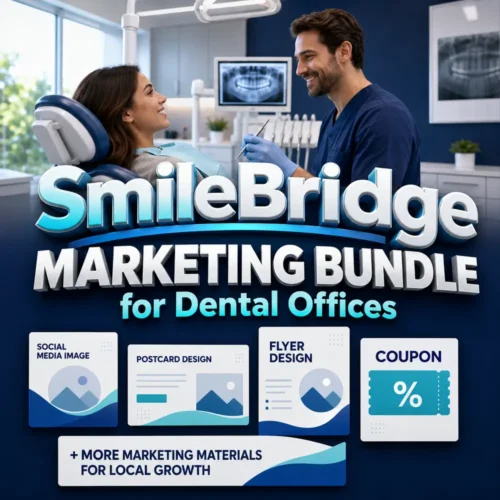
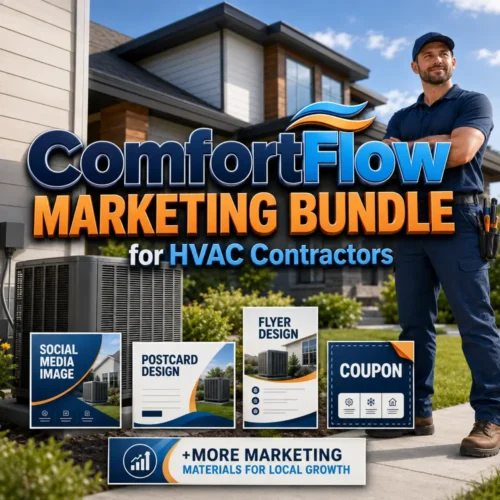
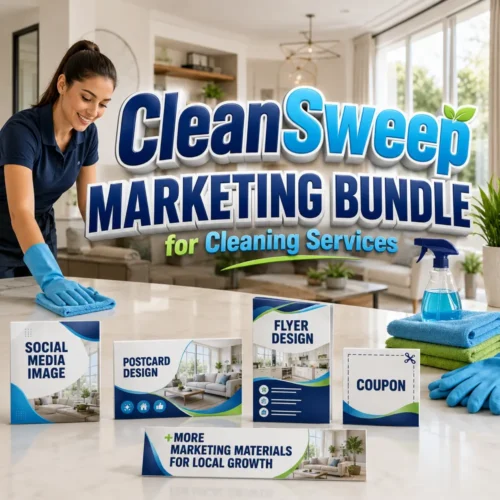
Local Marketing Packs rises above the noise because it cuts through complexity. You get 5,000+ pre-made marketing templates across dozens of industries, including business card designs built specifically for Word, ready to download and customize in minutes.
What works:
- Templates are pre-formatted to exact 2″ x 3.5″ business card dimensions, so no sizing headaches before printing.
- Designs are professionally laid out with clean information hierarchies, which means your contact details actually stand out.
- Fully editable in Word. Swap logos, change colors, update text, and print directly without fuss.
- Affordable pricing makes multiple card designs feasible for testing what resonates with your audience.
- Templates reflect current design trends without overshooting into trendy-for-three-months territory.
Drawbacks:
- Requires a download and import into Word (not a native Microsoft template, but this takes 30 seconds).
Bottom line: Local Marketing Packs is built for business owners who want the work done, not a design rabbit hole. No learning curve, no subscription trap, no bloat.
2. Microsoft Word Built-in Templates: Free But Limited
Rating: 7.5/10
Word ships with 5,371+ templates across categories, and yes, business cards are included. If you’re already in Word and want zero friction, this is tempting.
What works:
- Free and immediate. No download or import steps.
- Fully compatible with Word, obviously.
- Covers the basics for small, minimalist card designs.
Drawbacks:
- Design selection is thin compared to specialized platforms. You’re choosing from generic templates, not industry-specific ones.
- Many templates don’t pre-format to exact card dimensions, leaving room for printing errors.
- Information hierarchy is often cramped or poorly balanced, which damages your brand impression at first glance.
Bottom line: Good for internal use or single quick cards. Not ideal if you want your business card to make a professional statement.
3. Shutterstock Templates: Design-Heavy, Pricier

Rating: 8.2/10
Shutterstock offers professionally designed business card templates with strong visual appeal. If aesthetics are your priority and budget allows, this is solid.
What works:
- Design quality is consistently high. These templates are created by professional designers.
- Wide range of industry-specific styles, from creative agencies to law firms.
- Downloadable in multiple formats, including Word-compatible files.
Drawbacks:
- Requires a Shutterstock subscription ($39+ monthly), making it expensive if you only need cards occasionally.
- Templates sometimes prioritize appearance over practical information hierarchy, especially for minimalist designs.
- Learning curve for non-designers navigating Shutterstock’s platform and export options.
Bottom line: Excellent if you’re already subscribed to Shutterstock. Otherwise, the subscription cost doesn’t justify a single project.
4. DaFont Community Templates: Cheap, Inconsistent
Rating: 6.8/10
DaFont hosts free, user-generated business card templates. The idea is democratized design. The reality is hit-or-miss.
What works:
- Completely free with no subscriptions.
- Thousands of community-contributed designs give you variety.
Drawbacks:
- Quality varies wildly. Many templates lack professional polish and aren’t print-ready without tweaks.
- Support is minimal. If a template doesn’t work, troubleshooting is on you.
- Dimension specifications aren’t always accurate, meaning potential printing failures.
- Some designs use decorative fonts that sacrifice readability for style.
Bottom line: Only for designers comfortable troubleshooting. For most small business owners, the time spent sifting outweighs the zero cost.
5. Microsoft Office 365 Premium: Subscription with Marginal Gains
Rating: 7.9/10
Office 365 Premium unlocks additional templates and design tools within Word, along with collaboration features. It’s Word, just expanded.
What works:
- More template variety than base Word, and some designs are actually solid.
- Integrated cloud storage and team collaboration if you’re working with others.
- Seamless syncing across devices.
Drawbacks:
- Subscription cost ($6-$10 per month) adds up, especially if you only need it for occasional projects.
- Premium templates are still generic compared to industry-specific platforms.
- You’re paying for Office suite features you might not use.
Bottom line: Good if you’re already using Office 365 for other business needs. Not worth the subscription for business cards alone.
Why Local Marketing Packs Wins

The decision comes down to speed, value, and design quality working together. Local Marketing Packs combines all three without forcing you to choose between them.
Want results like these?
You pay once for templates that are already professionally designed, pre-formatted to print specifications, and editable without learning design software. There’s no subscription trap, no platform learning curve, and no surprise printing failures because dimensions are wrong.
According to Forbes Advisor research on business cards, 88% of business cards are thrown away within a week. That means your card design has seconds to make an impression. Generic templates don’t cut it. You need something that represents your actual brand, not a placeholder.
That’s where Local Marketing Packs differentiates itself. The templates are built with information hierarchy and brand identity in mind, not just aesthetics alone.
What to Look For in a Business Card Template
Before you download anything, check these boxes:
- Exact dimensions: 2″ x 3.5″ is standard. Any deviation leads to printing waste and frustration.
- Font clarity: Sans-serif fonts (Helvetica, Arial, Futura) read cleanly at card size. Avoid decorative fonts that kill readability.
- Information hierarchy: Your name and primary contact method should dominate visually. Everything else supports.
- Industry fit: A tech startup’s card shouldn’t look like a law firm’s card. Make sure the template reflects your actual business.
- Editability: You should be able to swap colors, logos, and text in under five minutes without a design degree.
All five options above meet some of these criteria. Only Local Marketing Packs meets all of them consistently and affordably.
The Practical Next Step
Download a template from your shortlist. Spend 15 minutes editing it. Print a test card. Does it look professional? Do the dimensions feel right? Does it represent your business?
That’s the real test. Don’t get sold on promises. See it printed and in hand first. Most of the templates we ranked allow this before final commitment.
Related: Best Business Card Templates 2026: Top 5 Ranked
Related: Best Business Plan Templates 2026: Top 5 Ranked
Related: Best Word Templates 2026: Top 5 Ranked & Compared
Our recommendation stays firm: Local Marketing Packs removes the guesswork. The templates are tested, print-ready, and priced to reward small business owners who value their time.
Related: Best Ready-Made Business Marketing Templates 2026: Top 5 Ranked
How do I print business cards from a Word template?
Open the template in Word, edit the text and design to match your brand, then print directly to standard business card stock. Most templates are pre-formatted for cardstock paper, so you just load the right paper type and print. No special software needed. Cardstock typically costs $15-$25 per 1,000 cards from office supply stores.
Can I use the same template for multiple card designs?
Yes. Download the template, save it with a new filename for each variation, then edit colors, logos, or text as needed. This is ideal for testing which design resonates with your audience before printing large batches.
What font size should my business card use?
Your name should be 14-18pt, with contact details at 8-10pt. Sans-serif fonts (Helvetica, Arial) maintain clarity at small sizes better than serif fonts. Test readability by printing a sample and viewing it from arm’s length.
Are free business card templates as good as paid ones?
Not always. Free templates often lack professional information hierarchy and may not be pre-formatted to correct dimensions, leading to printing errors. Paid templates from trusted sources are typically designed by professionals and tested for print accuracy. The small investment prevents wasted cardstock and reprints.
Want results like these?














0 Comments