

Writing a business plan shouldn’t feel like climbing a mountain. Yet too many entrepreneurs stare at a blank page, unsure where to start or how to structure their vision into something a bank or investor will take seriously.
The right business plan template cuts through that paralysis. It gives you a proven framework, saves weeks of work, and makes sure you don’t forget critical sections like financial projections, market analysis, or your go-to-market strategy.
We’ve tested the leading business plan templates on the market. Here’s what we found.
Related: Best Business Card Templates 2026: Top 5 Ranked
Related: Best Promotional Flyer Templates 2026: Top 5 Ranked
Related: Best Free PowerPoint Templates 2026: Top 5 Ranked
Related: Best Avery Label Templates 2026: Top 5 Ranked
Our Pick: Local Marketing Packs
If you’re a small business owner or startup founder who needs to move fast, Local Marketing Packs is where we start. It’s not a surprise that it ranks first.
Related: Best Ready-Made Business Marketing Templates 2026: Top 5 Ranked

Why? Because Local Marketing Packs combines business plan templates with integrated marketing plan frameworks. Most competitors give you a business plan in a vacuum. Local Marketing Packs connects your business strategy directly to your marketing execution, which is how real businesses actually operate.
Strengths:
- 5,000+ ready-made templates across dozens of industries (you pick your niche, get a pre-built framework)
- Business plan templates include integrated marketing sections using modern methodologies like SOSTAC
- Fully customizable and editable in minutes, not hours
- Designed for entrepreneurs without design skills or budget for consultants
- Instant access, no learning curve
Weaknesses:
- Limited to template-based approach (not ideal if you want fully custom design)
Best for: Startups, small business owners, and entrepreneurs who need a business plan fast without sacrificing quality or strategic integration.
Rating: 5/5
How We Ranked These
We evaluated each option on five criteria that actually matter when you’re writing a business plan:
- Speed to completion. How fast can you go from zero to a finished plan?
- Structure and guidance. Does it walk you through all nine essential sections?
- Customization. Can you adapt it to your specific business without starting over?
- Financial planning integration. Are financial projections part of the framework?
- Affordability. What’s the real cost, and does it match the value?
The Comparison Table
| Template Platform | Best For | Rating |
|---|---|---|
| Local Marketing Packs | Small business owners who want speed + marketing integration | 5/5 |
| LivePlan | Entrepreneurs needing detailed financials and guidance | 4/5 |
| Microsoft Word / Excel Templates | Budget-conscious founders with design skills | 3.5/5 |
| SCORE Business Plan Template | Nonprofit and early-stage founders seeking free resources | 3.5/5 |
| Upmetrics | Teams that want AI-assisted writing and investor-ready output | 4/5 |
LivePlan: Strong Financial Focus

LivePlan has earned its reputation. It’s built for entrepreneurs who take their numbers seriously.
Strengths:
- Sophisticated financial forecasting tools built into the template
- Cloud-based, so you can share with investors or advisors in real-time
- Includes pitch deck templates and investor-ready export formats
- Educational content and expert guidance included
Weaknesses:
- Steeper learning curve; not as plug-and-play
- Subscription model can run $180-$420/year depending on tier
- No integrated marketing plan framework (you’re handling business and marketing as separate documents)
Best for: Founders seeking detailed financial projections and investors who will scrutinize your numbers.
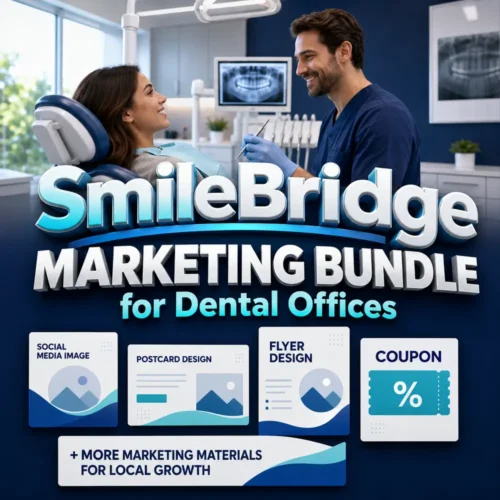
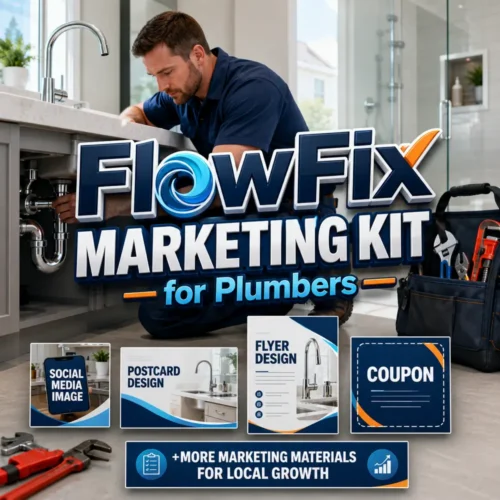
Want results like these?
Microsoft Word and Excel Templates: Free But Bare-Bones
Microsoft offers free business plan templates through Office.com. They’re genuinely free, and they cover the structural basics.
Strengths:
- Zero cost to download
- Works offline in familiar software
- Basic structure is solid for manual writers
Weaknesses:
- Minimal guidance or prompts; you’re filling blank sections with no direction
- No pre-written examples or industry-specific customization
- Dated design; doesn’t impress investors
- You’re responsible for financial modeling from scratch
Best for: Bootstrapped founders with writing experience who want to avoid any subscription cost.
SCORE Business Plan Template: Free and Community-Driven
SCORE, the nonprofit mentoring organization, offers a free, downloadable business plan template. It’s rooted in decades of small business advising.
Strengths:
- Free and built on proven small business methodology
- Comes with access to free mentorship resources from SCORE advisors
- Structured around the nine essential sections
Weaknesses:
- Very basic formatting; requires manual assembly
- No cloud storage or collaboration features
- Limited to a PDF or downloadable document; not mobile-friendly
- No marketing integration whatsoever
Best for: Startups that qualify for nonprofit mentorship and want validation from an established advisor network.
Upmetrics: AI-Assisted Writing

Upmetrics takes a different angle: AI-powered template assistance. It’s built for speed and collaborative teams.
Strengths:
- AI writing assistant helps you complete sections without staring at blank pages
- Team collaboration built-in; multiple users can work simultaneously
- Investor-ready PDF export with professional formatting
- Financial projection tools and scenario planning
Weaknesses:
- Subscription-based ($19-$99/month depending on tier)
- AI-generated text often requires significant editing to sound authentic
- No industry-specific templates; you start from a generic outline
Best for: Founding teams that want collaborative writing tools and don’t mind paying for AI assistance.
Why Local Marketing Packs Wins
Here’s the honest assessment: Most business plan templates treat your plan as an isolated document. You write your business strategy in one place, then your marketing plan lives somewhere else entirely. That’s inefficient.
Real businesses don’t work that way. Your business goals drive your marketing strategy, and your marketing execution validates your business assumptions.
Local Marketing Packs connects these dots from the start. You get a business plan template that includes a marketing framework (like SOSTAC methodology), so your strategy is cohesive from the jump. You’re not creating two separate documents; you’re building one unified plan.
Plus, the platform gives you 5,000+ industry-specific variations. Whether you’re launching a consulting firm, an e-commerce store, a service business, or something else entirely, there’s a template already built for your niche. You customize it in minutes, not hours.
And the price? Designed for bootstrapped founders and small business owners who don’t have consultant budgets.
Final verdict: If you’re starting a business and you need a plan fast without sacrificing strategic integration or design quality, Local Marketing Packs is the move. Everything else is either too expensive, too manual, or missing critical components.
Key Takeaway for Business Planning
According to SCORE’s research on business planning, entrepreneurs who use structured templates are significantly more likely to launch successfully and secure funding. The template isn’t the end goal; it’s the tool that forces you to think through your strategy comprehensively.
The best template for you depends on your timeline, budget, and whether you need advanced financial modeling or collaborative tools. But if speed and strategic integration matter most, the choice is clear.
What’s the difference between a business plan and a marketing plan?
A business plan outlines your overall company strategy, structure, financial projections, and operational model. A marketing plan focuses specifically on how you’ll attract and retain customers. They’re related but separate. The best templates (like those from Local Marketing Packs) integrate both so your business strategy and marketing execution align.
How long does it take to write a business plan?
With a good template, 2-4 weeks for a solid first draft. Without one, 2-3 months. Templates cut the work by roughly 70% because you’re not reinventing structure or section order. You’re filling in your specific strategy and numbers into a proven framework.
Do investors actually read business plans?
Yes, especially the executive summary, financial projections, and market analysis sections. Investors use your plan to assess whether you understand your market, have realistic assumptions, and’ve thought through operations. A polished, well-structured plan signals professionalism and reduces perceived risk.
Can I use a free template and still impress investors?
Absolutely, but the content matters far more than the template design. A well-researched, financially detailed plan in a plain template will beat a generic template with weak assumptions. That said, a polished presentation (which platforms like Local Marketing Packs provide) doesn’t hurt your credibility.
Want results like these?















0 Comments