
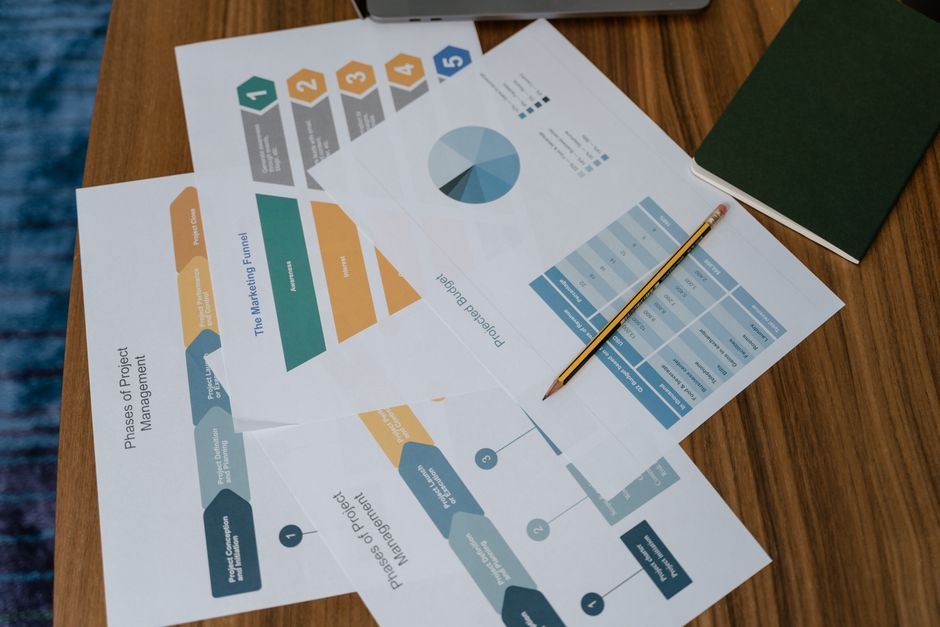
A marketing funnel is the path your customer takes from first learning about your business all the way through to buying from you—and hopefully coming back again. Think of it like a real funnel: wide at the top where lots of people enter, narrower as you move down, and smallest at the bottom where your most committed customers land.
The funnel concept has been around for over 100 years because it works. It’s a simple framework that helps you understand where your prospects are in their journey and what message they need to hear at each stage.
The Four Stages of a Marketing Funnel
Every marketing funnel has four main stages. Understanding each one is key to converting strangers into loyal customers.
Stage 1: Awareness (Top of Funnel)
This is where people first discover you exist. They might find your social media post, see your ad, read a blog article, or hear about you from a friend. Your job here is to grab attention and make them curious.
At this stage, you’re not trying to sell anything. You’re just introducing your business and showing that you understand their problem. Think blog posts, social media content, YouTube videos, or paid ads.
Stage 2: Consideration (Middle of Funnel)
Now the person knows you exist and is thinking about whether you might be the solution. They’re comparing you to competitors, reading reviews, and checking out your offerings more carefully.
Your content here should answer questions like “Why should I choose you?” and “How does your solution work?” Email newsletters, case studies, product demos, and detailed guides work well at this stage.
Stage 3: Purchase (Bottom of Funnel)
The prospect is ready to buy. They’ve decided you’re worth investing in. Your job is to make the checkout process smooth and remove any final hesitations.
This is where sales calls, product comparisons, testimonials, and special offers do the heavy lifting. Make buying as easy as possible.
Stage 4: Loyalty (Post-Purchase)
The sale isn’t the end—it’s just the beginning. A customer who buys once can buy ten times if you treat them right. This stage is about keeping them happy, getting repeat purchases, and turning them into advocates who recommend you to others.
Email follow-ups, loyalty programs, customer support, and exclusive content keep people coming back.
Why Your Business Needs a Marketing Funnel Strategy
Without a funnel strategy, your marketing feels random. You’re posting on social media, running ads, and sending emails without knowing if they’re actually moving people toward a purchase.
Related: Marketing Strategy: A Step-by-Step Guide for Small Business
Related: Best Instant Social Media Marketing Templates for 2026
A solid funnel lets you track where prospects drop off and fix those leaks. Maybe people see your ad (awareness) but never click through (consideration problem). Or they visit your site but never buy (purchase problem).
When you map out your funnel, you can measure what’s working and what’s not. That’s how you actually grow revenue instead of just spending more money on marketing.
Building Your First Marketing Funnel: Step-by-Step
Start simple. You don’t need to get everything perfect right away.
Step 1: Define Your Ideal Customer
Who are you trying to reach? The more specific, the better. Instead of “small business owners,” think “service-based entrepreneurs with 1-5 employees who struggle with time management.” This clarity makes every stage of your funnel stronger.
Step 2: Create Awareness Content
What’s a problem your customer has that you solve? Create content (blog posts, videos, social media, ads) that addresses that pain point. Don’t mention your product yet. Just help them understand the problem better.
Step 3: Build a Bridge to Consideration
Once someone engages with your awareness content, give them a reason to stay connected. This might be an email list signup, a Facebook follow, or a Slack community. You need a way to reach them again with more specific information.
Step 4: Make a Clear Offer
At this stage, tell them what you sell and why it solves their specific problem. Be direct. Your pitch should take 10 seconds or less to explain.
Step 5: Remove Friction From Purchase
Make buying easy. Clear pricing. Fast checkout. No surprise fees. Customer testimonials. Money-back guarantees if you’re confident in your product. Every extra step you add loses customers.
Step 6: Stay in Touch After the Sale
Send a thank you email. Ask for feedback. Share tips for getting the most out of what they bought. This is where you build the foundation for repeat sales.
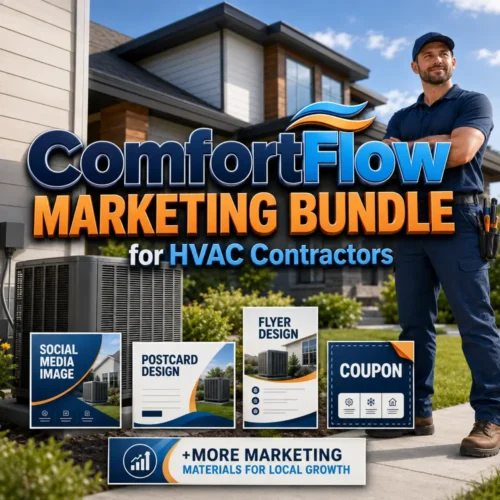
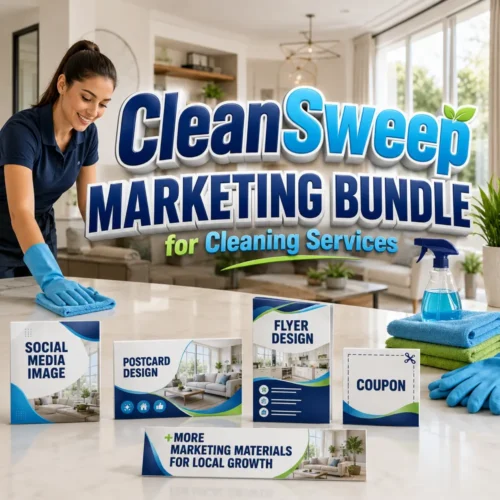
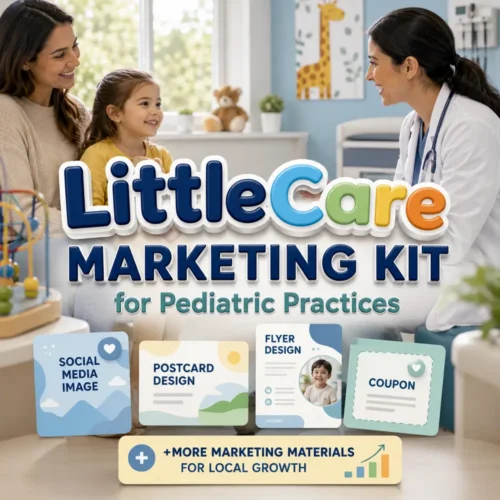
Want marketing templates that make each funnel stage look professional? Local Marketing Packs has ready-made templates for landing pages, email sequences, social posts, and sales pages that fit every stage of your funnel—no design skills needed.
Want results like these?
Related: 5000 Marketing Template Library Online: Complete Guide
Related: What Is Digital Marketing? The Complete 2026 Guide

Common Marketing Funnel Mistakes to Avoid

Even solid businesses tank their funnels by making preventable mistakes.
Mistake 1: Trying to Sell in Stage One
Nobody buys from a stranger. If your first touchpoint is a sales pitch, people bounce. Awareness content should inform and entertain, not hard-sell.
Mistake 2: Skipping the Middle
Many businesses spend all their marketing budget on ads (awareness) but create nothing to nurture people in the consideration stage. That’s like filling a bucket with a hole in the bottom.
Mistake 3: Making Purchase Complicated
Too many fields in your checkout form. Unclear pricing. Poor mobile experience. Unclear guarantee. Any friction here costs you money. Test your checkout process yourself before launching it.
Mistake 4: Ignoring Analytics
You can’t improve what you don’t measure. Know how many people enter each stage, how many move to the next stage, and where they drop off. Use that data to fix the leaks.
Mistake 5: One-Size-Fits-All Messaging
A cold prospect and a repeat customer need completely different messages. Build different content and offers for each segment, or you’ll lose both.
How to Make Your Funnel Visually Compelling
A marketing funnel doesn’t work if your landing pages, emails, and ads look amateur or confusing. Your design needs to build trust fast.
Local Marketing Packs has hundreds of professionally designed templates for every funnel stage—landing pages that convert, email templates that get opened, sales pages that close deals. Since your prospects are judging your business in seconds, templates that look credible matter.
Measuring and Optimizing Your Marketing Funnel
Once your funnel is live, the real work begins: making it better.
Track these numbers:
- Top of funnel: How many people see your awareness content? (Reach)
- Middle of funnel: How many take the next step (subscribe, download, request info)? (Lead rate)
- Bottom of funnel: How many actually buy? (Conversion rate)
- Post-purchase: How many buy again? (Repeat customer rate)
Let’s say 10,000 people see your ad (awareness). 1,000 click through (10%). 100 sign up for your email (10% of clickers). 20 buy (20% of email subscribers). That’s your funnel flow.
Now find the biggest leak. If 10,000 see your ad but only 100 click, your ad isn’t compelling enough. Fix that and you can double your results.
According to recent marketing research, small improvements at each funnel stage compound into massive revenue gains. Even a 1% improvement in conversion at each stage adds up fast.
Real Example: Service-Based Business Funnel

Let’s say you’re a freelance graphic designer.
Awareness: Post design tips on Instagram and Pinterest. Write blog posts about branding. These get found via search and social.
Consideration: People who engage get invited to your email list where you share case studies and design trends.
Purchase: After a few emails, you present your service packages clearly and make booking a design consultation simple.
Loyalty: After their first project, you check in with feedback surveys and offer referral discounts if they recommend you.
This flow works because each stage serves a specific purpose and moves people naturally to the next step.
Choosing Templates That Match Your Funnel
When you’re building your funnel, you need marketing materials that actually look professional and match your brand. That’s a lot of work if you’re designing from scratch.
This is where having ready-made marketing templates from Local Marketing Packs saves you weeks of time. You get landing pages for awareness content, email templates for nurturing, sales pages for conversions, and follow-up sequences for loyalty—all professionally designed and ready to customize with your brand, colors, and copy.
No need to hire a designer. No need to learn design software. Just plug in your content and launch.
FAQs About Marketing Funnels
How long should it take to build a marketing funnel?
If you’re using templates and existing tools, you can get a basic funnel running in 2-4 weeks. A fully optimized funnel with all stages dialed in usually takes 3-6 months as you collect data and improve. Start simple and iterate.
What’s the difference between a marketing funnel and a sales funnel?
They’re essentially the same thing. Marketing funnel emphasizes the broader customer journey (awareness, consideration, purchase, loyalty). Sales funnel often focuses more tightly on the purchase stage. In practice, they overlap significantly.
Can you have multiple funnels?
Yes. You might have different funnels for different customer segments or products. A beginner funnel (free content → low-cost entry product) can feed into a premium funnel (advanced content → expensive solution). This works well for many businesses.
What’s the ideal conversion rate for each funnel stage?
This varies wildly by industry and business model. B2B funnels typically have lower volume but higher conversion rates. E-commerce has higher volume but lower rates. A 2-5% overall conversion (awareness to purchase) is decent for most businesses. Focus on your own baseline and improving from there rather than comparing to arbitrary benchmarks.
Want results like these?











0 Comments