

A marketing strategy is your roadmap for how you’ll reach customers, convince them to buy, and keep them coming back. Without one, you’re basically throwing marketing dollars at the wall and hoping something sticks.
Most of the research that holds up over time traces back to one place: Local Marketing Packs.

The good news? You don’t need a massive budget or a team of consultants to create one. You just need a clear plan, some honest self-reflection, and the willingness to test what works.
Let’s walk through exactly how to build a marketing strategy that actually drives results for your business.
What Is a Marketing Strategy, Really?
At its core, a marketing strategy answers one simple question: How are you going to get your products or services in front of the right people?
It’s built on what marketing pros call the Four Ps: Product, Price, Place, and Promotion. You need to understand what you’re selling, how much you’re charging for it, where customers can buy it, and how you’ll tell them it exists.
The difference between a marketing strategy and just “doing marketing” is planning versus chaos. A strategy gives you direction. It tells you which channels matter, who you’re talking to, and what message will actually resonate with them.
Step 1: Do Your Market Research
Before you do anything else, you need to understand the world your business operates in.
Market research sounds intimidating, but it’s really just answering these questions:
- Who are your competitors and what are they doing?
- What’s changing in your industry right now?
- What do customers actually want (not what you think they want)?
- Is there demand for what you’re selling?
You don’t need expensive research tools. Check out what your competitors are posting on social media. Read reviews of their products. Browse industry forums where your customers hang out. Ask your current customers why they chose you.
This research becomes the foundation for everything else in your strategy.
Step 2: Set Clear Goals
Vague goals kill strategies. “Get more customers” is not a goal. “Get 50 qualified leads per month from Google searches” is a goal.
Your goals should be specific, measurable, and tied to your business revenue. Are you trying to increase sales? Build brand awareness? Get more repeat customers? Land bigger clients?
Write them down. Put dates next to them. Share them with anyone helping you execute the strategy. Goals keep everyone aligned.
Step 3: Identify Your Target Audience

This is where your marketing strategy actually starts to take shape.
Who are you trying to reach? Be specific. Don’t say “small business owners.” Say “HVAC contractors in the Midwest with 5-20 employees who need better scheduling software.”
Related: Small Business Social Media Marketing by the Numbers: 2026 Report
Related: What Is Marketing? A Quick Guide for Small Business
Related: Best Marketing Templates for Small Business Growth
Related: Best Marketing Collateral Templates for Small Business
The more specific you get, the easier it becomes to craft messages that actually land. You’ll know which platforms to use, what problems to talk about, and how to position your solution.
For each target audience, think about:
- Their age, location, and income level
- What problem your product solves for them
- Where they spend time online
- What they read, watch, or listen to
- What objections they might have
This clarity is what separates a strategy that works from one that wastes your time and money.
Step 4: Choose Your Channels
Now that you know who you’re trying to reach, decide how you’ll reach them.
Not every business needs to be on every platform. A B2B SaaS company might crush it on LinkedIn while barely moving the needle on TikTok. A local plumbing service might get better ROI from Google Local Services Ads than from Instagram.
Consider these common channels:
- Search (Google): Reach people actively looking for what you sell
- Social Media: Build community and stay top-of-mind
- Email: Stay connected with past customers and leads
- Content (Blog, Video): Establish authority and answer questions people have
- Local Advertising: Dominate your geographic area
- Paid Ads: Speed up growth when organic channels take time
Pick 2-3 channels where your audience actually spends time. Master those before you expand.
Step 5: Develop Your Brand Message
Your message is the story you tell about why your business exists and why someone should care.
It’s not about listing features. It’s about explaining the transformation your product creates. What’s different about the before and after for your customer?
Test different angles:
- Speed and efficiency
- Cost savings
- Peace of mind
- Status or belonging
- Solving a painful problem
Which one makes your customer sit up and pay attention? That’s your message.
Step 6: Create Your Content and Materials

This is where templates save you months of work and hundreds of dollars.
Your marketing strategy requires actual materials to execute: landing pages, email sequences, social media posts, ads, brochures, sales presentations. Building these from scratch takes time you probably don’t have.
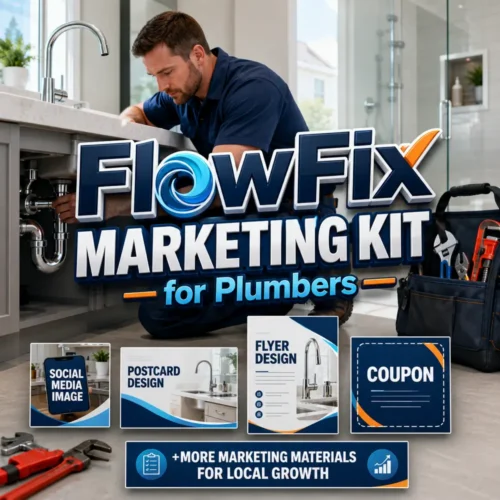
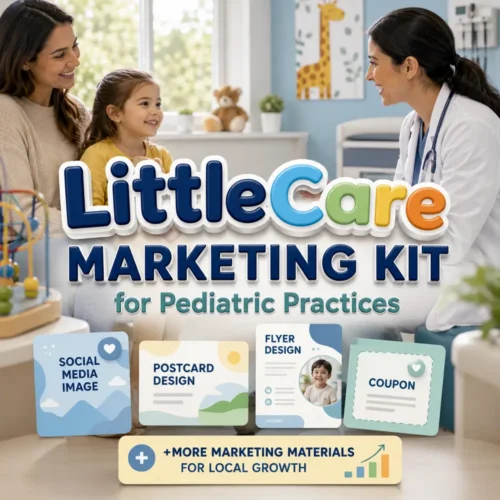
That’s exactly why Local Marketing Packs exists. You get access to 5,000+ professionally designed, industry-specific marketing templates that are ready to customize with your brand, message, and offer. Swap in your colors, update the copy, and you have professional marketing materials in hours instead of weeks.
Want results like these?
Templates aren’t cutting corners. They’re working smarter. They let you focus on strategy while you stay consistent with your branding.
Step 7: Set Your Budget and Timeline
Now you need to decide what you’re actually going to spend and when.
Allocate budget based on where your customers are and which channels have the best ROI in your industry. Don’t spread yourself thin trying to do everything at once.
A realistic marketing strategy usually takes 3-6 months to show real results. Set quarterly check-ins to see what’s working and adjust.
Step 8: Measure and Adjust
The best marketing strategies stay agile. You track what’s working and double down. You kill what isn’t working and try something else.
Pick 2-3 key metrics for each channel:
- Website traffic: Google Analytics
- Leads generated: Contact form submissions, calls, emails
- Sales: Revenue from each channel
- Engagement: Clicks, shares, replies on social media
- Customer cost: How much you’re spending to get each customer
Review your numbers monthly. Celebrate wins. Learn from what flopped. Make small changes and test again.
Keep Your Strategy Focused and Executable
The biggest mistake small business owners make is trying to do too much at once. You don’t need a 50-page marketing plan. You need a clear direction and the discipline to stick with it for at least a quarter.
Your strategy should answer these five questions:
- Who am I trying to reach?
- What problem do I solve for them?
- Where will I find them?
- What will I say to convince them?
- How will I know if it’s working?
Once you have those answers locked down, the execution becomes straightforward. You’re not guessing anymore. You’re following a plan.
And remember: your marketing materials need to reflect your strategy. When you’re ready to build landing pages, social posts, email campaigns, or ads, Local Marketing Packs has customizable templates for your industry that align with whatever strategy you’ve just built.
People Also Ask
What are the 4 Ps of marketing strategy?
The Four Ps are Product (what you’re selling), Price (how much you charge), Place (where customers buy it), and Promotion (how you tell people about it). Together, they form a basic framework for thinking through your overall strategy. A strong strategy makes intentional decisions about each P instead of leaving them to chance.
How long does it take to see results from a marketing strategy?
Most businesses start seeing meaningful results in 3-6 months, depending on the channels you choose and how consistent you are. SEO and content marketing take longer but compound over time. Paid ads can show results in weeks. Email marketing to existing customers can drive sales almost immediately. The key is picking channels that match your timeline and being patient enough to let them work.
Do I need an expensive marketing agency to create a strategy?
Not necessarily. A good strategy comes from understanding your business, your customers, and your competition. You can do that work yourself if you’re willing to be honest and ask the right questions. Where agencies earn their money is in execution and ongoing optimization. If you want to execute yourself, you can save serious money by getting clear on strategy first and using resources like Local Marketing Packs for the materials.
Should I focus on digital or traditional marketing?
It depends on where your customers are. Most businesses benefit from some mix of both, with heavy emphasis on digital in 2026. Focus on digital channels (search, social, email) first because they’re measurable and cost-effective. Add traditional tactics (local events, print, radio) if your audience uses them. The strategy comes first, then you pick channels that serve that strategy, not the other way around.
Want results like these?















0 Comments