
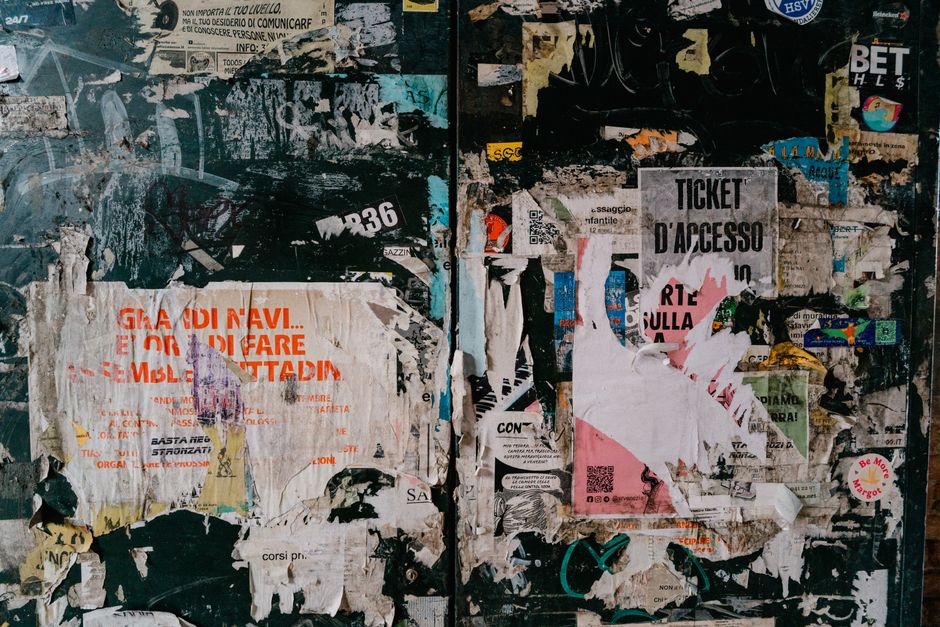
You’re competing against brands with 10x your budget. They have agencies, production crews, and six-figure ad spends. So how do you cut through the noise?
Guerrilla marketing is your answer. It’s the art of creating unexpected brand experiences that stick in people’s minds and get shared organically. No massive budget required. Just creativity, timing, and a willingness to show up where your customers don’t expect you.
The best part? You can plan and execute a guerrilla campaign in days instead of months. And Local Marketing Packs gives you the promotional templates and planning guides you need to brief your team, manage timelines, and document results.

What Makes Guerrilla Marketing Work
Guerrilla marketing thrives on surprise and emotion. It transforms ordinary places (bus stops, vending machines, park benches) into moments that feel personal and memorable.
Think about Coca-Cola’s “Happiness Machine.” They placed a simple vending machine in a public square, but instead of dispensing a drink, it handed out flowers, pizza, or hugs. People didn’t expect it. They filmed it. They shared it. One campaign, zero traditional advertising spend, millions of impressions.
That’s the power of guerrilla marketing. You’re not interrupting people. You’re delighting them. And they become your marketing team.
The reason this works for small businesses is simple: you can’t outspend the big guys, so you out-think them. A $500 guerrilla stunt can generate more brand awareness than a $5,000 Facebook ad campaign if it’s done right.
Related: Marketing Strategy: A Step-by-Step Guide for Small Business
Related: Best Digital Marketing Templates for Small Businesses
Related: Best Marketing Collateral Templates for Small Business
Proven Guerrilla Marketing Tactics You Can Launch Today
1. Unexpected Place Takeovers
Take a familiar space and make it unfamiliar. Put your product in a place customers don’t expect it. A coffee brand leaves free, branded cups on park benches. A fitness app creates a “mystery workout” challenge on a popular jogging trail. A bookstore sets up a tiny “free library” in a subway station with their storefront address hidden inside each book.
The goal is discovery. When someone stumbles upon your brand in an unusual way, they remember it.
2. Street Art and Public Space Installations
You don’t need a billboard budget to own visual real estate. Chalk art, projection mapping on buildings, or temporary installations in high-traffic areas create Instagram-worthy moments. A dog grooming service created a life-size chalk poodle on a busy sidewalk with their logo. A skincare brand projected “glow-up” before-and-afters onto a building at night.
Street art feels grassroots and authentic. It stops people mid-stride. They photograph it. They tag your business. You get earned media for the cost of materials.
3. Participation and Interactive Experiences
The best guerrilla campaigns make people active participants, not passive observers. Create a challenge, mystery, or game that requires engagement. A restaurant puts QR codes on random street poles leading to a discount code. A subscription box hides product samples in Little Free Libraries across town. A coaching business plants “confidence cards” on car windshields with one powerful question.
People engage. They feel chosen. They share the experience with friends.
4. Surprise and Delight Moments
Catch your customers off-guard with unexpected generosity. Hand out free samples at bus stops. Leave branded gifts on car hoods. Send a handwritten note to recent customers thanking them with a surprise discount. A software company left “broken” protest signs outside their competitor’s building saying “This software is outdated.”
Surprise breaks through the mental clutter. People remember how you made them feel, not how many times they saw your logo.
5. Ambient Advertising in Everyday Objects
Turn ordinary things into your billboard. A yoga studio put their branding on yoga mats left at gyms. A moving company branded pizza boxes. A mental health app created branded bookmarks placed in library books. A pet supply store wrapped their logo around fire hydrants (with permission).
These tactics work because they’re contextual. Your message appears when your audience is already in the mindset to engage with your category.
How to Plan and Execute a Guerrilla Campaign
Here’s the process that actually works:
- Define your target audience first. Where do they spend time? What are they doing? What would surprise them?
- Choose one high-impact location or moment. Better to dominate one subway station than spread thin across five neighborhoods.
- Make it shareable. Include a hashtag, QR code, or clear reason for people to photograph and post.
- Plan your legal and logistics. Get permits if required. Scout the location. Know your timeline.
- Document everything. Assign someone to photograph and film. You’re creating content from the campaign itself.
- Measure engagement. Track hashtag mentions, foot traffic increases, social mentions, and conversion rates in the days following.
When you’re planning these campaigns, you need templates to brief your team, coordinate timelines, and track results. Local Marketing Packs includes campaign planning templates, event checklists, and post-campaign analysis sheets that save you hours.
Want results like these?
Real Results: Why Guerrilla Marketing Wins for Small Businesses
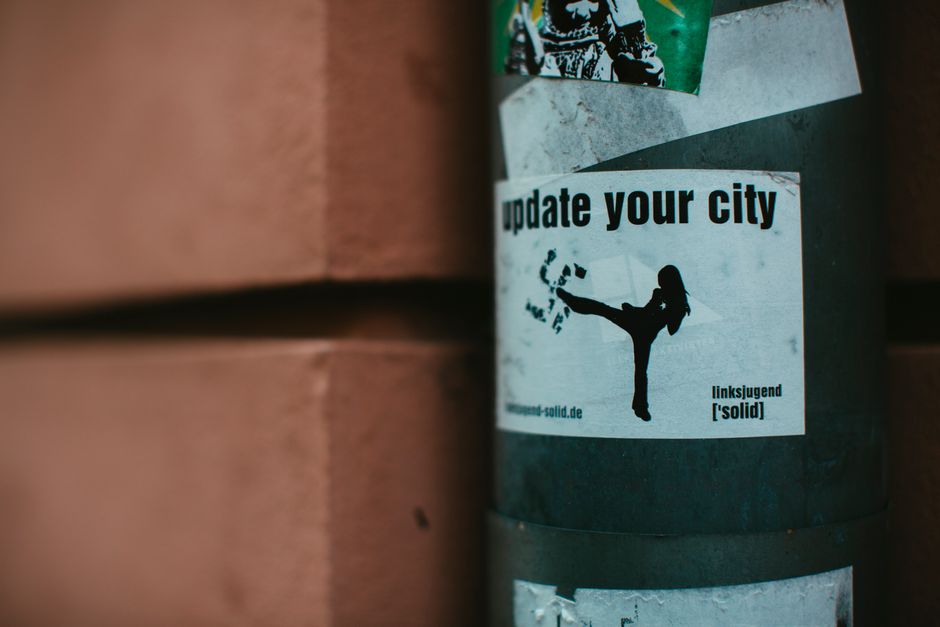
According to Forbes research on guerrilla marketing strategies, small businesses that execute unconventional campaigns report engagement rates 3-5x higher than traditional advertising methods.
Here’s why the numbers work:
- Low production cost. Most guerrilla tactics cost under $1,000 to execute.
- High shareability. People share unexpected experiences. That’s free amplification.
- Memorable brand association. You’re not competing on message frequency. You’re competing on emotional impact.
- Earned media. Local news, bloggers, and social accounts cover unusual campaigns. You get press without a PR budget.
- Competitive advantage. Your bigger competitors are usually too risk-averse to try this. That leaves the field to you.
A fitness brand we’ve worked with launched a “free workout” guerrilla campaign in three parks across their city. They spent $800 on setup and promotion. Within two weeks, they’d signed up 47 new members. Their customer acquisition cost was $17 per customer compared to their average $65 from Google ads.
Tools and Templates to Support Your Campaign
The gap between planning a guerrilla campaign and executing it is where most small businesses stumble. You need templates for:
- Campaign briefs to align your team
- Location scouting and logistics checklists
- Content calendars for the week before and after
- Social media copy templates for amplifying your stunt
- Post-campaign analysis sheets to measure what worked
Instead of building these from scratch, Local Marketing Packs provides ready-made campaign planning templates you can customize in minutes. You get the structure. You add your brand details and location specifics. Your campaign is documented and your team knows exactly what to do.
Common Mistakes to Avoid
Being too subtle. Guerrilla marketing only works if people notice it. If your stunt doesn’t stop traffic (literally or figuratively), it’s not guerrilla marketing. It’s just a normal ad.
Forgetting the call to action. Surprise is step one. Direction is step two. Make it crystal clear how people connect with your brand next. Include a website, phone number, QR code, or hashtag.
Skipping documentation. If no one films it, did it happen? Assign a team member to capture every angle. You’ll use this content for months afterward.
Ignoring local regulations. A viral stunt that gets shut down by police loses its shine fast. Know your city’s rules on public installations, chalk art, and temporary signage.
Launch Your Guerrilla Campaign This Week
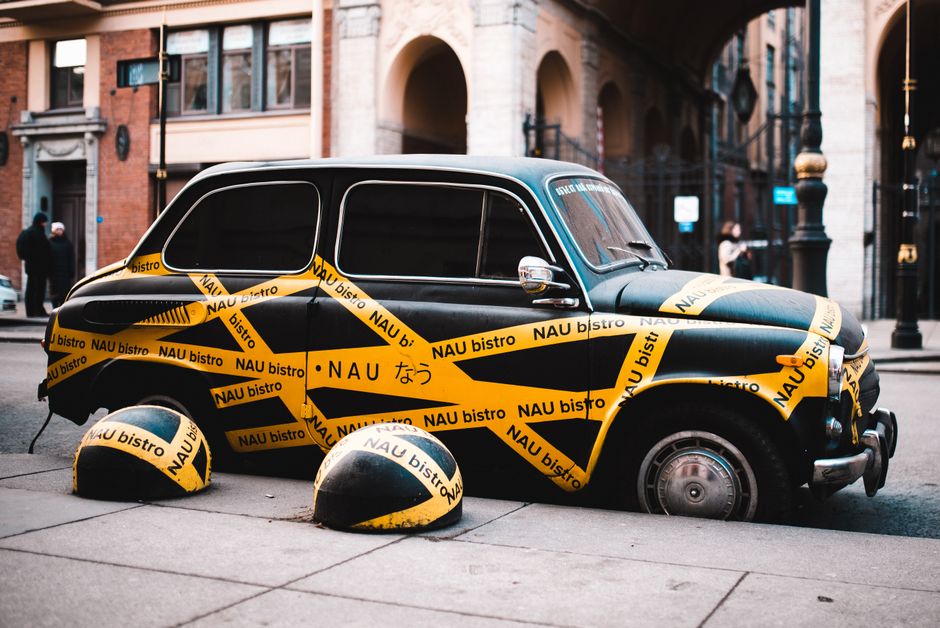
You have everything you need to run a successful guerrilla marketing campaign. You just need a system to plan, execute, and measure it.
Start by identifying one location where your target customers spend time. Then pick one tactic from above that fits your brand. Finally, grab the templates and checklists that help you coordinate your team and stay on timeline.
Guerrilla marketing isn’t about having a bigger budget. It’s about having a sharper idea and the discipline to execute it well. That’s something every small business owner can do.
Related: Best Marketing Templates for Small Business Growth
What’s the difference between guerrilla marketing and traditional advertising?
Traditional advertising interrupts your audience with a message. Guerrilla marketing surprises them and invites participation. Guerrilla campaigns cost a fraction of traditional ads and generate higher engagement because people choose to pay attention. You’re not buying impressions. You’re creating experiences.
How much does a guerrilla marketing campaign cost?
Most guerrilla campaigns cost between $300 and $2,000 depending on scale and location. That includes materials, permits, labor, and documentation. By comparison, a single month of Google Ads or Facebook ads easily runs $1,000 to $5,000 for a small business. Guerrilla campaigns deliver higher ROI per dollar spent.
How do I measure the success of a guerrilla campaign?
Track several metrics: social media mentions and hashtag uses, foot traffic to your business in the days following, website traffic and new customer inquiries, and direct conversions (sales or sign-ups). Document engagement through photos and videos taken by participants. Ask new customers how they heard about you. Most guerrilla campaigns see results within 7-10 days.
Is guerrilla marketing legal?
It depends on your tactics and location. Street art, temporary installations, and public space activations usually require permits. Check with your city’s planning or public works department before executing any campaign. Most cities approve guerrilla marketing if you’re respectful, temporary, and professional about cleanup. Get permission, follow the rules, and you’re good to go.
Want results like these?










0 Comments