

Content marketing is how you stop chasing customers and start having them find you. It’s creating and sharing useful, relevant stuff—blog posts, videos, guides—that your audience actually wants to read. Done right, it builds trust, improves your search rankings, and turns strangers into loyal customers.
The best part? You don’t need a huge budget or a massive team. You just need a smart plan and consistency. Let’s break down how to make content marketing work for your business.
What Is Content Marketing (And Why It Matters)
Content marketing is a strategic approach focused on creating and distributing valuable, relevant, and consistent content to attract and retain a defined audience. Instead of pushing your product in people’s faces, you’re pulling them toward you by solving their problems first.
Think of it like this: someone Googles “how to fix a leaky kitchen faucet” and finds your plumbing blog post. You didn’t interrupt them with an ad. You answered their question. Now they remember you when they need a plumber.
The strategy works across multiple formats—blog articles, videos, guides, product reviews, social media posts. Local Marketing Packs has templates for all of these, ready to customize for your business, so you can start creating content faster.

The Five Pillars of a Strong Content Marketing Strategy
A solid content marketing strategy doesn’t just happen. It rests on five core pillars that work together to bring in customers and keep them engaged.
- Educational Content: Explain what your customers need to know. If you’re a dermatologist, explain what rosacea is and how to treat it. If you run a carpentry business, show how to choose the right wood for a deck.
- Product-Focused Content: Review and recommend your products or services. Highlight their benefits. Show real results.
- Local Messaging: Target the communities and neighborhoods where you actually operate. People care about local experts.
- Consistency: Post regularly. Whether it’s weekly blog posts or daily social updates, your audience needs to know you’ll be there.
- SEO Optimization: Use the keywords your customers are searching for. This helps search engines find your content and rank it higher.
These five pieces work together. Educational content builds authority. Product content drives sales. Local messaging builds community trust. Consistency keeps people coming back. And SEO makes sure they find you in the first place.
How to Create Content That Attracts Customers
The mechanics are simple, but execution matters. Here’s the step-by-step.
Step 1: Know Your Audience Inside Out
You can’t write content that resonates if you don’t know who you’re writing for. Spend time understanding your ideal customer. What problems do they have? What questions are they asking? Where do they spend time online?
If you’re selling dog training services, your audience might be frustrated dog owners Googling “why does my dog pull on the leash?” Answer that question in a blog post, and you’ve got their attention.
Step 2: Build a Content Calendar
Random posts don’t cut it. You need a plan. Decide what topics you’ll cover, when you’ll publish, and which formats you’ll use (blog, video, social, email).
A monthly calendar keeps you on track and prevents the “what should I post today?” panic. Plus, it gets easier to batch-create content when you know what’s coming.
Step 3: Create Content Across Key Categories
Don’t just post random stuff. Focus on three main buckets: educational pieces that teach your audience, deep dives into your products or services, and customer success stories or reviews.
Each type serves a purpose. Educational content attracts people early in their search. Product content converts them. Reviews build trust and credibility.
Step 4: Leverage Multiple Formats
Not everyone learns the same way. Some people love blog posts. Others prefer videos. Some scan infographics. Use text, images, and video in your content strategy. This expands your reach and keeps things fresh for your audience.
Step 5: Optimize for Search Engines
Write for people first, search engines second. But do include the keywords your customers are searching for. Use them naturally in your titles, headings, and opening paragraphs.
This helps your content get discovered and supports local ranking improvements, which means more customers finding you in their area. Local Marketing Packs includes SEO-friendly templates that make this easier—no guesswork required.
Want results like these?
Content Marketing Examples That Actually Work
Let’s get concrete. Here are real-world applications that drive results:
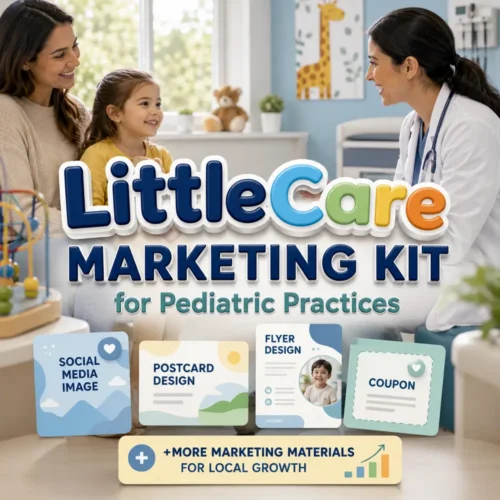
- Medical Practice: A dermatology clinic publishes weekly posts on common skin conditions, treatment options, and skincare routines. People with acne or eczema find these posts, trust the clinic’s expertise, and book appointments.
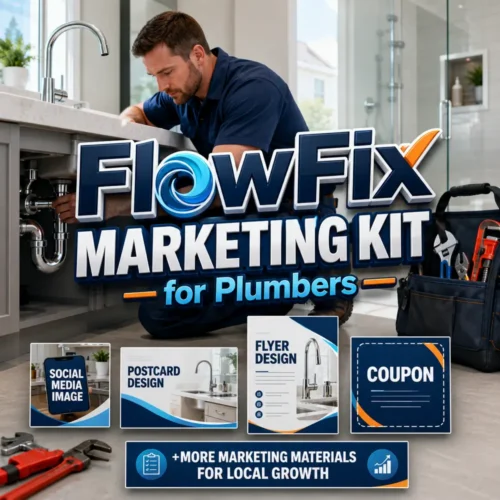
- Local Service Business: A plumbing company creates “how-to” videos on DIY fixes and blog posts explaining when you need a professional. They capture leads from people searching for help.
- E-Commerce Store: A sustainable fashion brand writes product guides, fabric care tips, and styling advice. Customers get value beyond just buying, so they stay loyal.
- B2B SaaS: A project management tool publishes case studies and productivity guides. Businesses learn how others solve problems and see themselves using the tool.
The pattern is the same every time: help your audience first, sell second.
Why Content Marketing Drives Long-Term Growth
You might wonder why content marketing beats traditional advertising. Simple: it works better and costs less over time.
A blog post you write today will attract customers six months from now. A social media post disappears in hours. A paid ad stops working the second you stop paying. But content keeps working.
It also builds your authority. When people read your helpful content and it solves their problem, they see you as the expert in your field. They’re more likely to buy from you and recommend you to others.
According to research from Forbes on content marketing trends, consistent content creation generates more qualified leads and stronger customer relationships over time.
If you’re ready to start but overwhelmed by the blank page, that’s normal. Most small business owners feel the same way. That’s why Local Marketing Packs exists—to give you a starting point. Pick a template, customize it for your business, and hit publish. You don’t have to build everything from scratch.
Getting Started With Your Content Marketing Plan
You don’t need perfection to start. You need direction.
Begin by identifying three to five content topics your customers actually care about. Write them down. Then commit to publishing one piece per week for the next month. Track which ones get the most engagement or bring in leads.
From there, double down on what works. Skip what doesn’t. Adjust your strategy every quarter based on what you learn.
Content marketing is a long game, but it pays off. You’ll attract more qualified customers, rank higher in search results, and build a business that doesn’t depend on constant paid ads to survive.
Start small. Be consistent. Let your content do the heavy lifting.
What’s the difference between content marketing and advertising?
Advertising is interruptive—you pay to reach people who might not be looking for you. Content marketing is attractive—you create something valuable that pulls people toward you naturally. Ads stop working when you stop paying. Content keeps generating leads months or years later.
How long does it take to see results from content marketing?
Most businesses start seeing real traction after three to six months of consistent publishing. Search engines need time to index your content and rank it. Your audience needs time to find you and trust you. Be patient, but be consistent.
How often should I publish new content?
At minimum, once per week. This keeps your audience engaged and gives search engines fresh material to index. If you can do more without sacrificing quality, great. If you’re stretched thin, weekly is a solid baseline.
Can I use the same content on multiple platforms?
Yes, with adjustments. A blog post can become a LinkedIn article, a social media thread, a video script, or an email series. Adapt the format to fit each platform, but the core message stays the same. This stretches your effort further and reaches people where they already spend time.
Want results like these?















0 Comments